Does it matter whether or not the First Secretary of State and Minister for the Cabinet Office watched pornography on his office PC?
In truth, probably not. It was a long time ago, he was not then a minister of the crown, it was not (by all accounts) extreme or illegal pornography, and it is not unknown for men of a certain age to do just that, at work and at home.
But what now matters is whether he is telling the truth.
The Guardian leader on Friday puts it very clearly,
In the end, though, the outcome of the Green affair seems likely to come down, and should, to an even more basic principle – which of Mr Green and his accusers is telling the truth? – and to an even more important judgment: which of them should be believed?
What has struck me most is the silence: from the Prime Minister; from the Home Secretary (ultimately responsible for the Met); from the Commissioner of the Met.
Certainly there have been a lot of loud noises off – David Davis threatening, according to his friends, that he will resign if Mr Green has to go; Andrew Mitchell, himself no stranger to rows with the Met, calling on Cressida Dick “to stand up, as Britain’s most senior police officer, and make clear that this sort of freelancing by rogue officers is completely unacceptable and that she will stamp it out on her watch?”
And those keeping their counsel may properly argue that as the claims are being investigated by the Cabinet Office, speculation at this stage is unwise. Plus Theresa May has been overseas (but Mr Green is perhaps her closest political ally); Amber Rudd may not want to rock any boat (quite yet); Cressida Dick is not responsible for the former police officers who have leaked the details (but this goes to the heart of the public’s confidence in the Met).
So what about the silence?
Pure speculation of course, but consider the following,
If Mr Green goes, how long will Theresa May stay? How long can she stay? Particularly if she offers him imprudent support.
If Theresa May goes, will Amber Rudd run for leader of the Conservative party, notwithstanding the precariousness of her majority at Hastings and Rye at the last election? Might be worth a quick trip to William Hill.
What does Cressida Dick know? She will have been fully briefed on the events in 2008, which led to Mr Green’s Parliamentary Office being searched and his computers seized. And she was, in any event, a deputy assistant commissioner at the time, in charge of specialist operations.
Brexit one way or another looms over all of this. If Mrs May goes, will the grown up faction in the Government, which includes Amber Rudd, take back control?
Politicians are not always truthful – for all sorts of reasons.

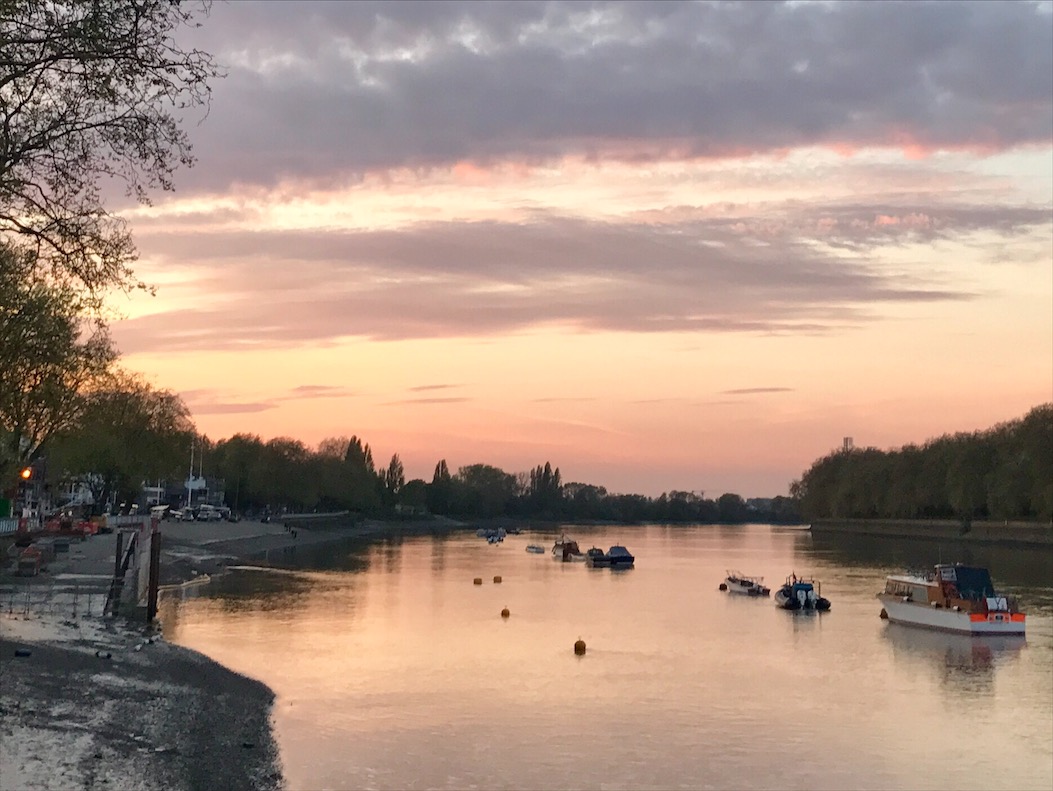 The photograph on the masthead of this blog is pretty much the same view – but this was last week, at about 19:45. A falling tide and the sun setting. One of my favourite London views.
 Enough said: George Wilkinson's blog