For Caroline, today is always the first true day of spring. It is a point on which we agree to differ, as I always see spring coming much earlier. This year I was somewhat less certain, given the snow in early February. It has certainly been a varied four weeks, with bitter cold, which killed the Mimosa Tree in the garden, followed by heavy snow, which shattered the Magnolia Grandiflora, and then a warm change.
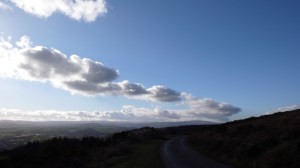 Late afternoon we were on Mardon Down for our usual weekend walk, setting off from the cattle grid and walking clockwise: warm sun, and frog spawn in the ditches alongside the road. The in-country is now green, and smoke drifted in the tea-time sun over Moretonhampstead. Sunday afternoon is clearly bonfire time.
There was little birdsong as we walked the road around Mardon, but first one Raven in the distance, calling for its partner, side slipping through clear air, and then another and another, before a fourth. We have seen Ravens up here before, but never so many: four in as many minutes.
Last week we walked the Teign Gorge, downstream from Dogmarsh Bridge, before climbing the Hunter’s Path up to Castle Drogo. We heard a Raven but failed to see it. That afternoon the highlight was seeing a pair of Dippers nest building in a tree stump on the bank opposite the pub at Fingle Bridge.
Spring is here. The Jackdaws were squabbling on the garage roof this morning, chasing each other around, while a solitary Goldfinch, in full colour, was on one of the seed feeders.
 Enough said: George Wilkinson's blog