Perhaps not the best of photos but it captures that darkness
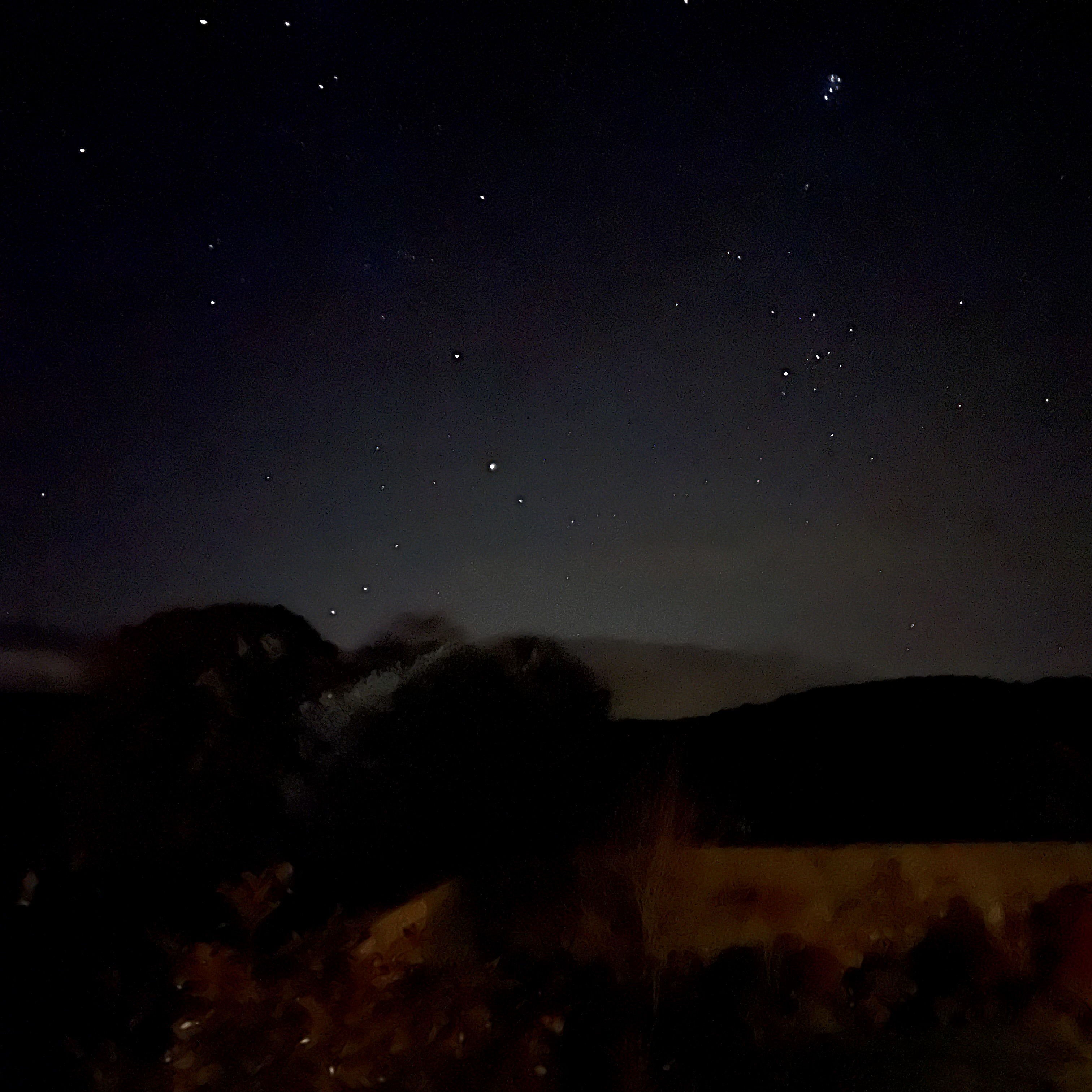
Taken at 22:42 with an iPhone 13 Pro
Enough said: George Wilkinson's blog
"Sometimes I sits and thinks, and then again I just sits"
Perhaps not the best of photos but it captures that darkness
Taken at 22:42 with an iPhone 13 Pro
How we see ourselves takes up a lot of time and column inches. It is necessary – and occasionally challenging – to read the view of others.
Richard Wolffe in his piece in today’s Guardian, Oh, Britain: the chasm between myth and reality keeps on growing, nails it
Today the Brits are worried they look like Italians, with new prime ministers every few months or weeks.
In fact they should be worried they look like Austrians, sitting in a jewel-encrusted museum piece at the heart of a once-great empire, arguing among themselves about nationalists and immigrants.
British prime ministers used to come and go like vintage wines. Every few years there might be a classic. Now they come and go like utility bills: painful and entirely forgettable.
Do I agree with Steven Pinker’s optimistic world view that humans are living longer and better? Well, yes and no.
When the FT’s Henry Mance, in a recent interview with Pinker (behind the FT’s paywall), remarks that news headlines suggest the opposite, Pinker argues that
journalism is a non-random sample of the worst things that are happening on earth at any given time. When you look at the world through the lens of data, rather than events, it’s much more positive.
Well, up to a point!
Later in the interview, Pinker suggests that US politics needs more scientists. Mance points out that some of the least trustworthy politicians are doctors, to which Pinker replies,
Doctors are not scientists! Doctors are professional descendants of mediaeval barber surgeons. There’s a surprising number of doctors who don’t think scientifically.
Hmmm. I know at least one doctor who would disagree (but then Pinker in making his argument ignores the historical distinction between physician and surgeon).
. . . and although I’m not at all sure UK politics needs more scientists – Thérèse Coffey was once a scientist – UK politicians should perhaps listen more to the scientists (read Kate Bingham’s The Long Shot).
 Enough said: George Wilkinson's blog